Survival Log Safehouse Hub
Turn floors, doors, and basements into a lasting holdout.
The Safehouse Hub is where Survival Log stops being a shopping list and becomes architecture under pressure. Your building is a multi-floor puzzle: sleeping rooms, cooking lanes, farming pockets, storage stacks, and a basement that may host the generator that keeps lights and morale alive. Midnight Workshop designed the fantasy around living inside your prep, not only collecting it.
Layout before decoration
Start with Floor Layout and How to Build Safehouse. Decide which floor is quiet sleep, which floor is noisy work, and where visitors or rescued neighbors can wait without blocking trap lines. Bad adjacency wastes stamina every day because you walk farther for water, tools, and cooked meals.
Fortification and choke points
Fortify Doors and Windows pairs with How to Defend and Traps. Windows that face loud streets need earlier boards. Doors that lead to your kitchen deserve better materials than closet doors. Keep a repair kit stockpile so a single breach does not end the run.
Food production indoors
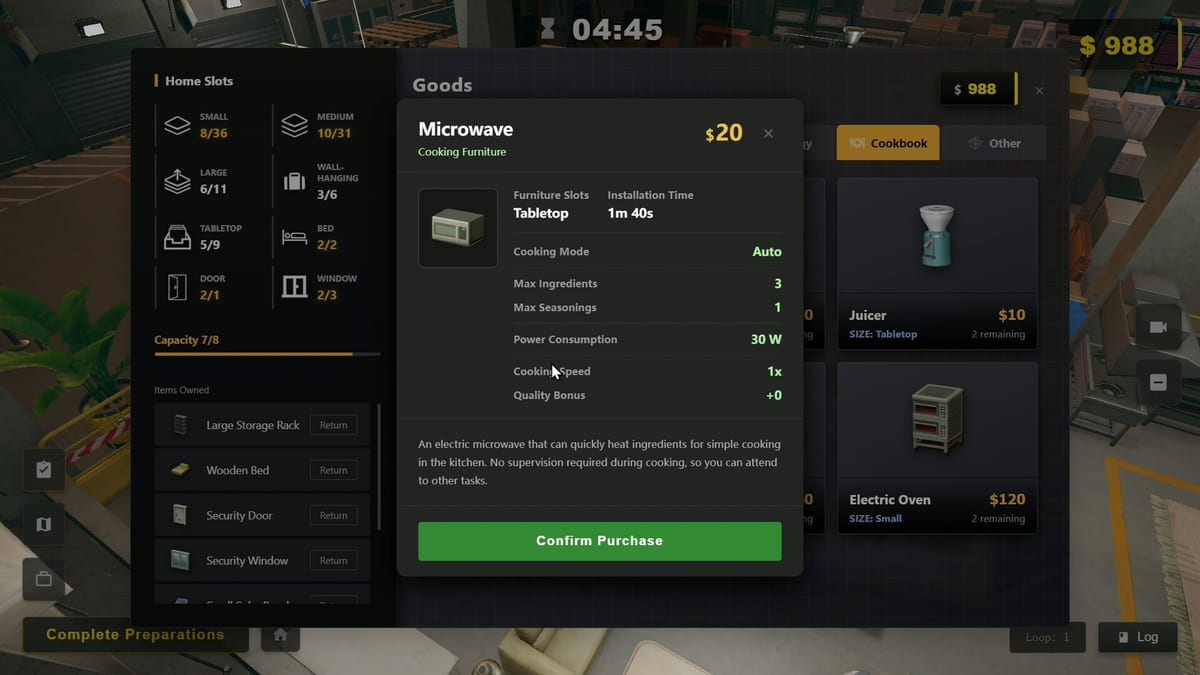
Farming and Cooking Space connects Farming and Cooking to real floor tiles. Light, water access, and morale matter as much as seed counts. If farming steals your only hallway, defense pathing collapses when zombies test the perimeter.
Basement power thinking
Basement Generator and Power Grid explain diesel, manual, and solar habits. Noise, fumes, and fuel logistics belong in the basement plan, not as an afterthought the night morale hits zero. How to Manage Power is the procedural twin of these layout pages.
People inside the walls
Rescued neighbors and role choice change crowding. Read Characters Overview before you convert every spare room into storage. Morale sinks when bodies stack in dark corridors without sleep quality or cooked food. Link safehouse work to Hunger, Stamina, and Morale whenever a redesign feels purely cosmetic.
Practice in the demo
Use the live demo to test two-floor routines and generator babysitting before the 2026-08-12 release expands options. Return to Guides Hub after each remodel so stockpile purchases match the rooms you actually built.
Renovation debt
Every unfinished remodel is a stamina tax. If three projects are half done, your house is louder and darker than a smaller finished core. Finish a kitchen lane, then a sleep seal, then a basement path. Park vanity under Furniture and Appliances until the machine works. Renovation debt is how smart players still wipe.
Sound and light maps
Walk the house at night in your head. Where does generator noise travel? Which windows show street movement? Which stairs squeak into sleep? Fix those with layout and fortify pages before you buy mood lighting. A quiet plan beats a stylish screenshot that cannot hold until dawn.
Safehouse as schedule
Your building should tell you what the next Planning Points thesis is. Empty board storage means a materials day. Messy kitchen means an organize day. Cold basement path means a power logistics day. When the house stops suggesting chores, you are either stable or not paying attention—open Day Planner and ask again.
Frequently Asked Questions
Quick answers to the most common survivor questions.
Should I fortify or farm first?
Secure critical doors and one safe sleep room, then carve farming and cooking space so food production does not block escape routes.
Is the basement mandatory for power?
Basement generator setups are the cleanest long-term pattern, but manual and solar backups still matter when diesel runs thin.
How many floors should I use early?
Two well-zoned floors beat three cluttered ones. Expand upward only after pathing and storage are stable.
Where do traps belong?
Near approach lanes and windows you cannot fully board yet. See Traps and How to Defend for placements.